Greenhouse film is a plastic agricultural film used to make plastic greenhouses and greenhouses. After covering, it can provide a good microclimate environment with temperature, humidity, and light quality for crops, prevent pests and diseases, and reduce the impact of natural disasters, thereby improving crop yield and quality, early harvesting, and extending the growth cycle. PO (Polyolefin Thermoplastic Resin) film belongs to the third generation of greenhouse films and has a long droplet dehazing period.
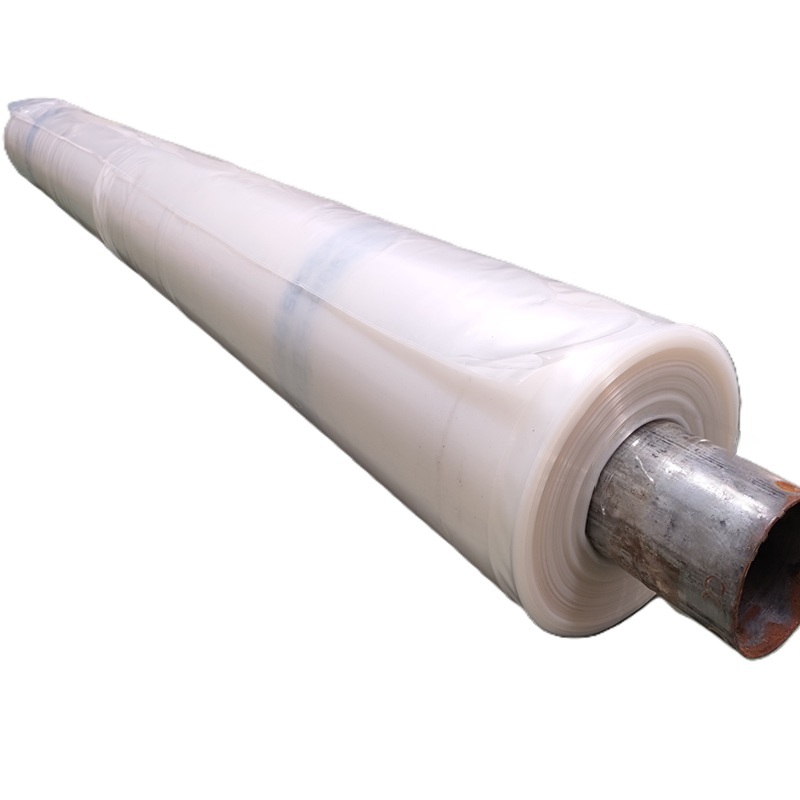
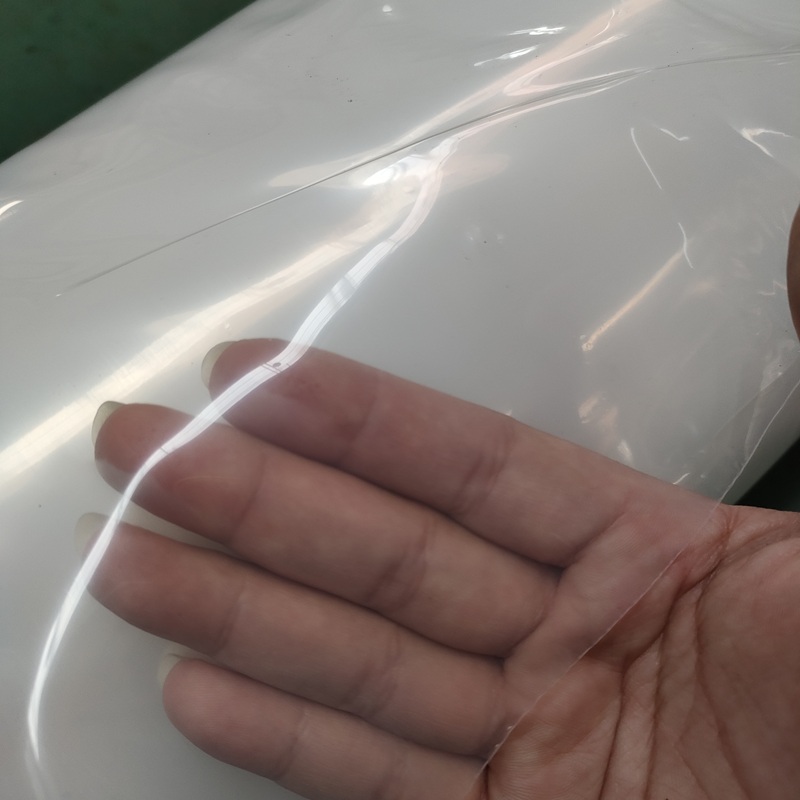
Clear Film
The clear film is transparent and clear, allowing direct light to enter the greenhouse, resulting in a fast heating rate. In winter, the low-temperature and low light environment has a prominent warming effect, which can meet the strong light needs of light loving crops such as strawberries and watermelons, and facilitate early maturity and market launch of crops. However, direct sunlight can easily form obvious shadows, resulting in insufficient lighting in the lower layers of the plant. High temperature spots can also be generated by strong sunlight at noon, which can easily lead to fruit sunburn and uneven coloring. It is more suitable for use in overwintering sheds and early spring cold sheds.
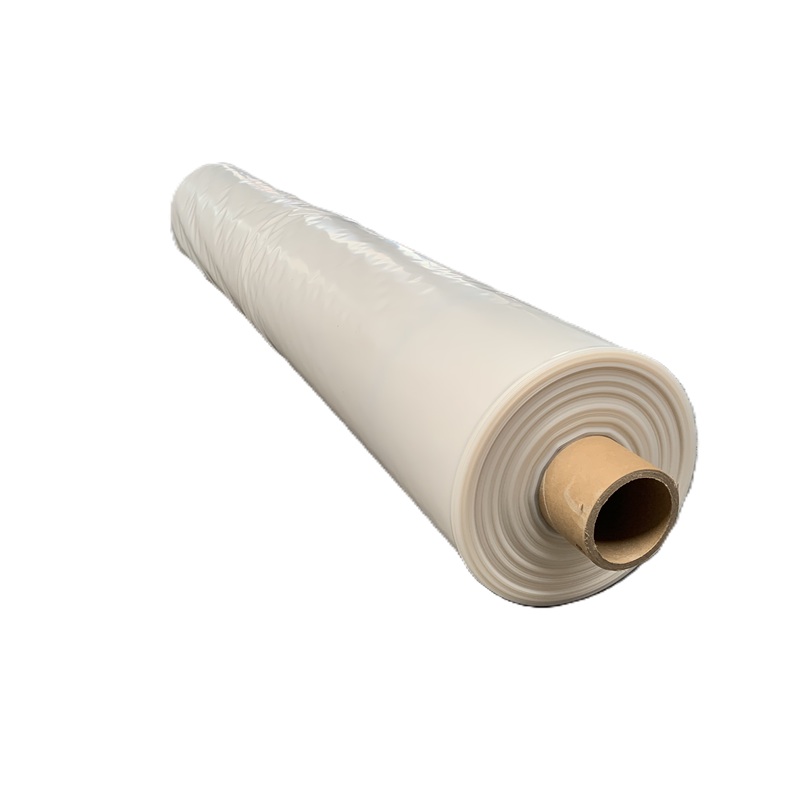
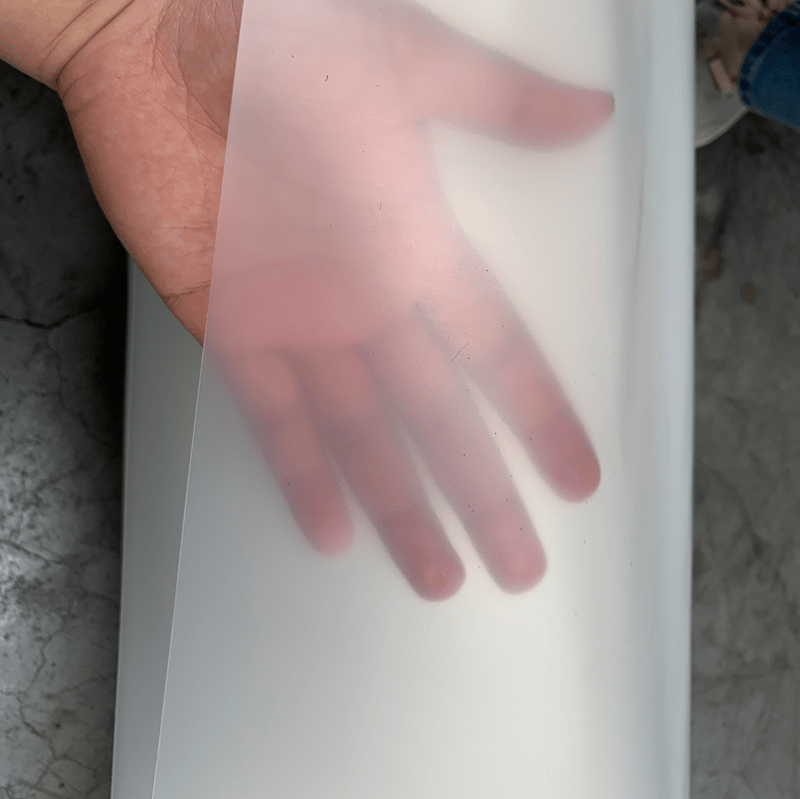
Diffused Film
Adding a light scattering agent inside the scattering film can disperse strong light into soft and diffuse light. The light distribution inside the greenhouse is uniform, and both the upper and lower leaves of the plant can fully receive light, which can reduce sunburn disease and unify the coloring of fruits and vegetables, greatly improving the marketability of fruits. In high temperature seasons, it can also moderately reduce the peak temperature inside the greenhouse. The disadvantage is that the heating rate in winter is weaker than that of high permeability films, making it more suitable for densely planted crops such as tomatoes, cucumbers, grapes, etc. in southern strong light areas with multiple layers of fruit.
 LIDOU
LIDOU 